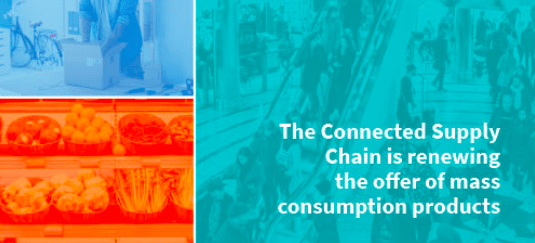
Meeting consumer demands with The Connected Supply Chain
Fast-moving consumer goods experience weather and price-related changes more than others. They are also heavily impacted by certain social movements and health concerns that undermine consumer confidence. Many are therefore turning to online shopping and the advantages it offers, such as availability of information, ease of delivery and reimbursement, and extensive choices. The rise of these new consumption patterns is generating growth and order variety. Therefore, having a high-performance Supply Chain is the key to meeting such requirements. Manufacturers, therefore, have every incentive to invest in a Connected Supply Chain. For example, ROI can reach 18%, with all sectors of activity combined1. The problem is that 57% of Supply Chain managers surveyed were very reluctant to make such an investment2.
Summary of the White Paper
Generix Group takes stock of the primary strengths of the Connected Supply Chain including: reliability and transparency of information, better management of quality-related incidents, optimization of flows, the role of artificial intelligence and blockchain. The themes discussed are divided into three parts:
- Supply Chain challenges in the Mass Market
- The Connected Supply Chain and Risk Prevention
- Supply Chain Management Solutions for Consumer Packaged Goods