Additive Manufacturing, Virtual Reality, and Robotics
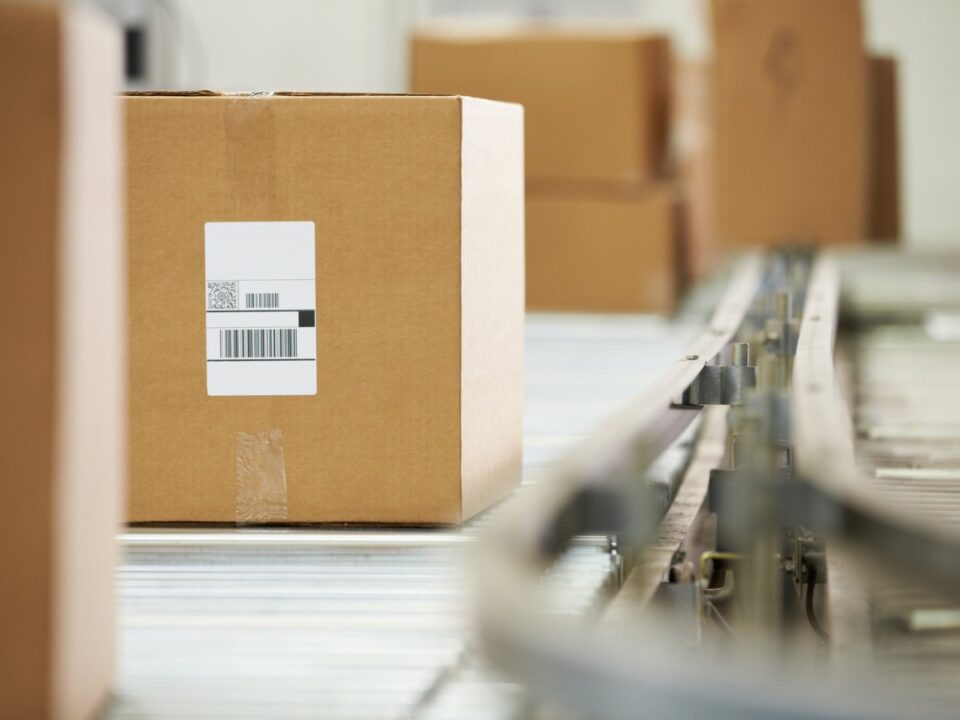
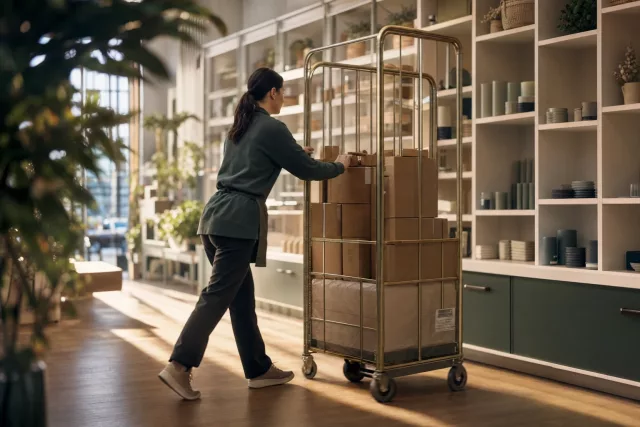
The terms additive manufacturing and virtual reality are now being used more frequently in the supply chain, and while items such as 3D printers and augmented reality glasses are still quite limited in their usage, their technology continues to evolve rapidly and is gaining more traction than ever. At the same time, robotics, the symbol of automation in general, is taking on a much bigger role in warehouses and making huge improvements to both inbound and outbound logistics. Growing trends are showing that robotics are helping define supply chain processes in such a way that businesses can ramp up and decrease production as necessary.
Autonomous Vehicles and Driverless Trucks
Automated order processes, robotics in the warehouse, as well as enhanced tracking and tracing capabilities have all led to the need for enhanced transportation methods. Another growing trend in the industry is the self-driving vehicle. Again, this is a trend that is still in the very early stages, but big names including Amazon, Uber, and Google have already launched their own pilot programs. Despite some setbacks, autonomous vehicles are here to stay, and companies are developing systems that will not only allow for driverless trucks at some point, but also ways to enhance safety all over the road.