

Introduction
A 3PL provider manages part or all of a company’s logistics operations. This includes warehousing, transportation, order fulfillment, and returns management.
The goal is to outsource these activities to an external partner in order to save time, optimize costs, and focus on core business operations.
This logistics model has grown significantly with increasing customer expectations and the rising complexity of supply chains. This page explains how a 3PL works, what benefits it can provide, and when to use one.
What Is a 3PL Logistics Provider?
Simple Definition and Role in the Supply Chain
The term 3PL, or third-party logistics, refers to an external provider responsible for managing all or part of a company’s logistics operations. This primarily includes transportation, warehousing, and the management of physical goods flows.
In practice, a company relies on a 3PL to handle the execution of its logistics operations, from receiving products to shipping them to the end customer.
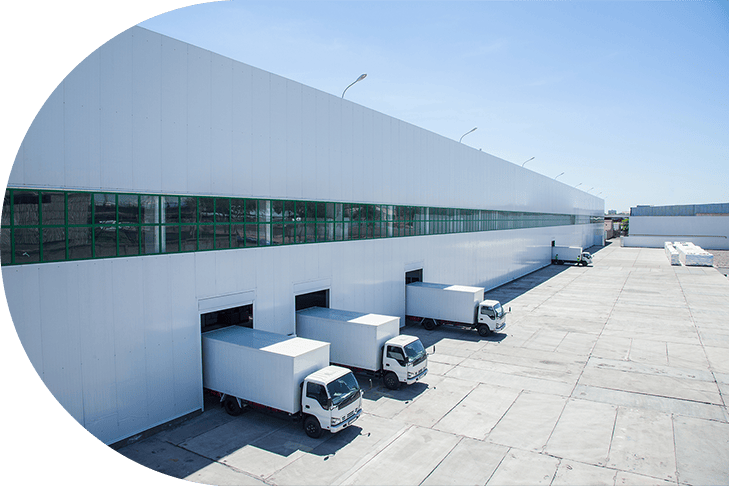
The provider therefore acts as a logistics intermediary between the company and its customers, with dedicated resources: warehouses, inventory management tools, transportation fleets, specialized personnel, and more.
Who Is 3PL Logistics for?
Companies of all sizes can rely on a 3PL provider. This model is particularly well suited for:
- manufacturers and e-commerce businesses handling a high volume of orders;
- fast-growing brands that have not yet structured their logistics operations in-house;
- companies looking to refocus on their core business without allocating resources to logistics.
3PL logistics is also a response to specific challenges: seasonal sales fluctuations, high variability in flows, the need for agility, or international expansion.
Services Offered by a 3PL Provider
A 3PL provider does more than transportation. It covers a wide range of activities related to logistics flow management.
Core Logistics Functions
These services form the foundation of any 3PL offering:
- Warehousing: receiving, storing, and organizing goods across one or more logistics facilities.
- Transportation: managing shipments to customers, domestically or internationally.
- Order Fulfillment: picking, packing, labeling, and parcel preparation.
Value-Added Services
Some providers offer advanced capabilities to better meet their customers’ specific needs:
- Inventory Management: real-time updates, cycle counts, and inventory level tracking.
- Reverse Logistics: management of product returns and potential reshipments.
- Customs Management: handling import and export formalities.
These services enable companies to improve efficiency without allocating internal resources to logistics operations.
Advantages and Disadvantages of 3PL Logistics
What 3PL Logistics Enables
Working with a 3PL provider offers several benefits:
- Reduced Fixed Costs: no need to invest in warehouses, equipment, or logistics personnel.
- Time Savings: the company can focus on its core business activities (manufacturing, sales, etc)
- Access to Advanced Tools: 3PL providers are often equipped with advanced software solutions (WMS, TMS).
- Flexibility: the ability to absorb activity peaks or quickly adjust volumes.
What This Involves
Outsourcing logistics can also present certain challenges:
- Less Control: the company depends on the provider for service quality.
- Risk of Losing Customer Connection: in the event of delays or errors, the company’s reputation is at stake.
- Difficulty Bringing Logistics Back In-House: once processes have been delegated, reversing course can be complex.
What is the difference between 3PL and 4PL?
A 3PL provider executes logistics operations: warehousing, transportation, and order fulfillment. A 4PL provider, on the other hand, does not directly manage these activities. It acts as a coordinator by designing the logistics strategy, selecting the right subcontractors, and overseeing their performance. The 3PL executes; the 4PL orchestrates.
From 1PL to 5PL: An Overview of Outsourcing Levels
There are several levels of logistics outsourcing. The higher the level, the more comprehensive the management.
| Levels | Services Provided | Company’s Role | Type of Provider |
| 1PL | Transportation only | Manages warehousing and logistics flows | Carrier |
| 2PL | Transportation + warehousing | Oversees flows and tools | Logistics service provider |
| 3PL | Transportation, warehousing, logistics execution (order fulfillment, returns, etc.) | Manages customer relationships and strategy | Full-service logistics subcontractor |
| 4PL | Provider coordination, logistics management | No longer handles execution | Logistics consultant/integrator |
| 5PL | Design, management, and execution | Complete outsourcing | End-to-end provider, often digitalized |
When Should You Use a 3PL Provider?
Outsourcing logistics to a 3PL provider can be considered in several situations:
- Rapid Growth: when order volumes exceed internal capabilities;
- Lack of Resources: absence of personnel, tools, or logistics space;
- Need for Flexibility: the need to quickly adapt operations based on seasonality or demand;
- Cost Optimization: the desire to reduce fixed costs or improve logistics profitability;
- International Expansion: to leverage partners that are already established locally.
A 3PL becomes a true growth enabler when a company wants to focus on its core business without slowing down its expansion.
3PL and Digital Transformation: Generix Solutions
The success of a 3PL partnership also depends on the tools used to manage logistics flows. Generix offers a suite of software solutions designed to automate and streamline every stage of the supply chain.
Among the most widely used:
- WMS (Warehouse Management System): to manage inventory, storage locations, and warehouse operations.
- TMS (Transport Management System): to plan routes, track deliveries, and optimize transportation costs.
- Supply Chain Collaborative Portal: to streamline collaboration between stakeholders (companies, providers, customers).
- YMS (Yard Management System): to better manage inbound and outbound flows in dock and yard areas.
Q&A
What is the difference between a carrier and a 3PL provider?
A carrier is responsible only for delivering goods. A 3PL provider handles multiple logistics functions: warehousing, order fulfillment, returns management, and more.
How do you choose the right 3PL provider?
Assess its ability to adapt to your volumes, its management tools, the quality of its warehouses, and its reliability in meeting delivery deadlines.
What are the risks of outsourcing logistics?
Loss of control, dependency on the provider, or customer service issues in the event of poor execution.
Can you maintain visibility over your inventory when working with a 3PL?
Yes, provided you have the right tools in place, such as a WMS connected to your information system.
Can a 3PL manage customer returns?
Yes, returns management (reverse logistics) is one of the services offered by most 3PL providers.